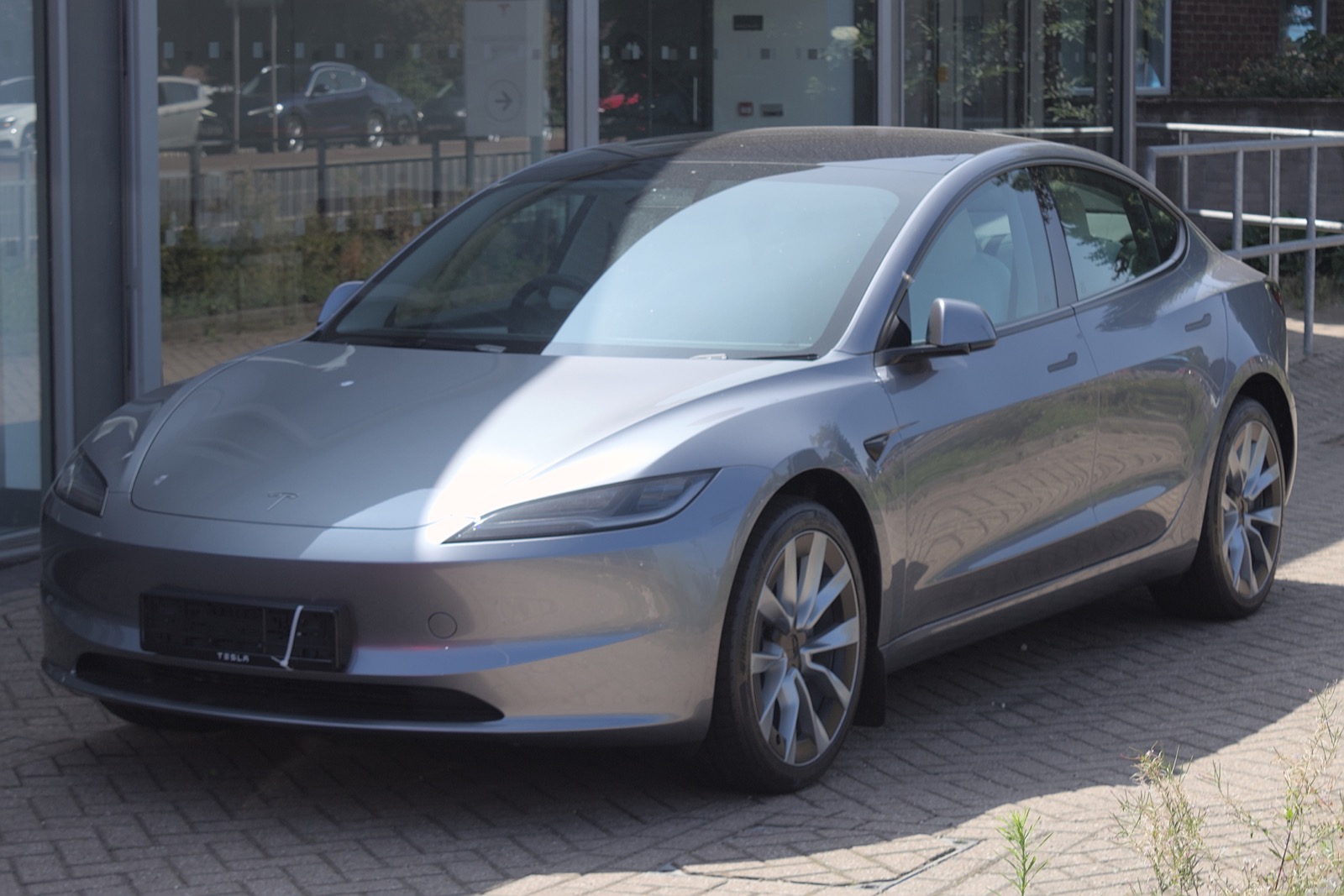
Start with the battery's condition
The range shown on a screen should be interpreted according to the vehicle's system. Tesla explains, for example, that its cars' estimated kilometres use EPA certification data and that actual range depends on conditions and driving. This indicator serves a different purpose from a capacity test. If a health report exists, ask for it to identify the specific vehicle, date and method used. To assess the result, compare it with the manufacturer's documentation and the range you need for your journeys.
[S45]Review maintenance and warranty
The AFDC notes that a battery electric car usually needs less maintenance than a combustion car because it has fewer moving parts and fluids to replace. It also points out that some battery cooling systems may need checks and that a replacement outside warranty can be a significant expense. Request the available history and consult the maintenance instructions for that version. Confirm in writing the coverage remaining on that vehicle and the conditions that apply to a change of owner. Lower expected maintenance does not mean that every used vehicle has been well cared for.
[S42]The viewing we recommend preparing for
To organise the purchase, our editorial checklist suggests confirming the version, battery, connectors, cables and included accessories. Arrange a test drive and, if possible, a compatible charging session. Examine the vehicle's alerts and ask about repairs, incidents and previous checks. Commission an independent inspection when you need help interpreting the condition of that particular vehicle. Then compare the expected total cost with your circumstances: purchase price, home installation, insurance and public charging use. Decide using the documents and results obtained, and record outstanding questions before assuming the car meets your needs.
Supporting reading for the editorial analysis[S42]