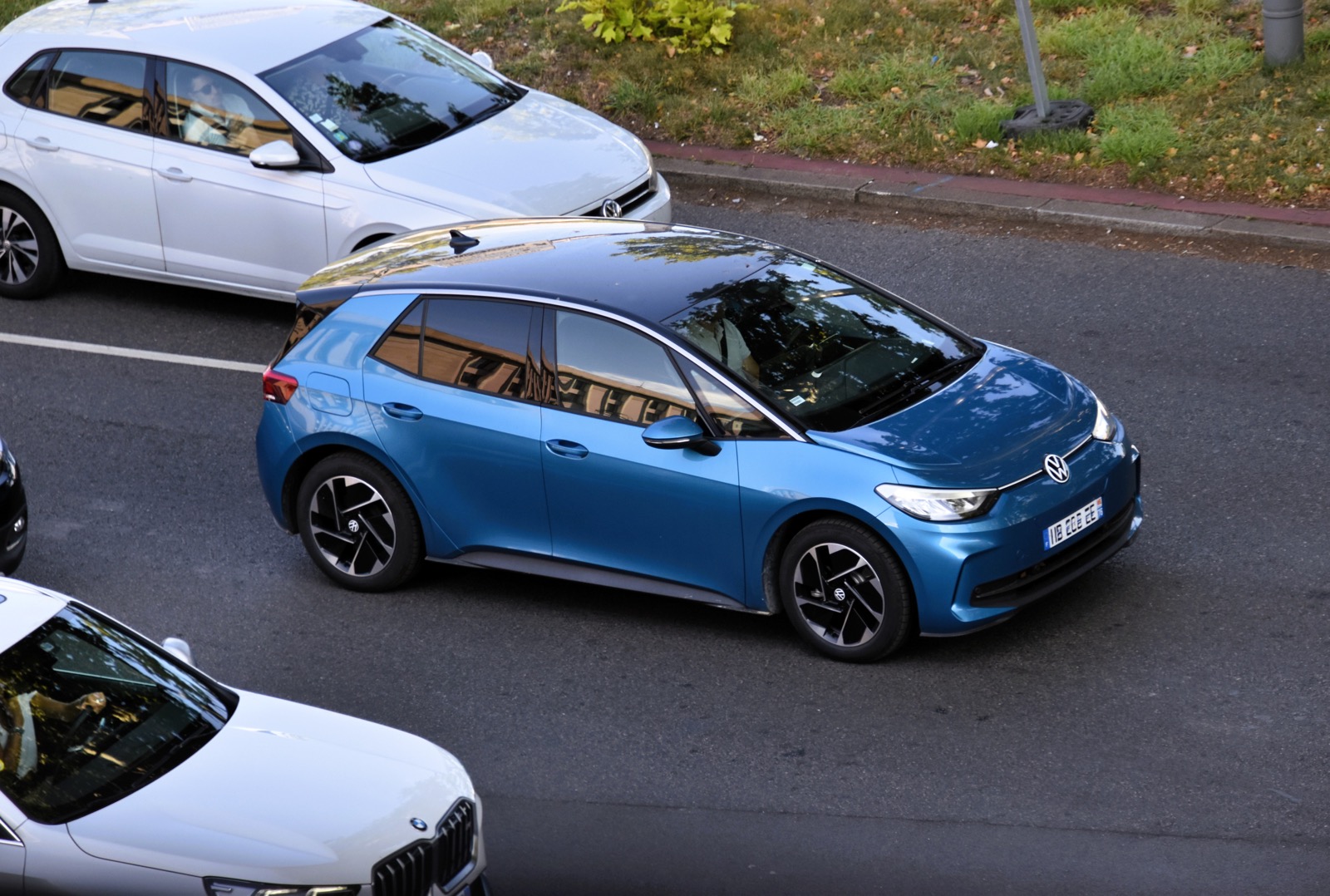
Model Y remains in front.
The European ranking sits alongside an increasingly diverse choice of cars. Compare models within the same statistical coverage.
Explore Europe →Markets covered by ANE/Dataforce; not the same as the EU-27. These are registrations, not worldwide deliveries.
One region, several statistical scopes
The IEA records 4.2 million BEV and PHEV passenger cars sold in Europe in 2025.
The model table uses the European sample from Automotive News Europe and Dataforce. We keep its coverage and year alongside the figures. Škoda’s announcement confirms the Elroq’s second place, but its deliveries should not replace registrations from a different sample. Always read the chart note before comparing quantities.
[S1][S3][S4]Start with where you will charge
Editorial perspective: map out a real week of use. Note your daily journeys, overnight parking and available charging time. If you have your own parking space, request an installation quote before deciding on battery capacity. If you share a garage, check with its management which charging solution you can arrange.
If you rely on street parking, it helps to check two charging locations that fit your routine and calculate the cost using their tariffs. You can then compare the same vehicle in two scenarios: regular charging and backup charging.
Supporting reading for our editorial analysis[S41]Comparing a city car with a car for longer trips
Compare consumption for equivalent versions first, then range. Avoid comparing the most favourable figure in one model range with the heaviest version in another. Also review the space you need: a larger battery should address a specific use within your budget.
For trips, plan a route you often drive, including stops you would accept and chargers you could use. Our editorial approach considers total journey time and charging prices alongside the car’s price. Sales popularity provides a clue; the choice must work in your country and in your typical week.
Supporting reading for our editorial analysis[S41]