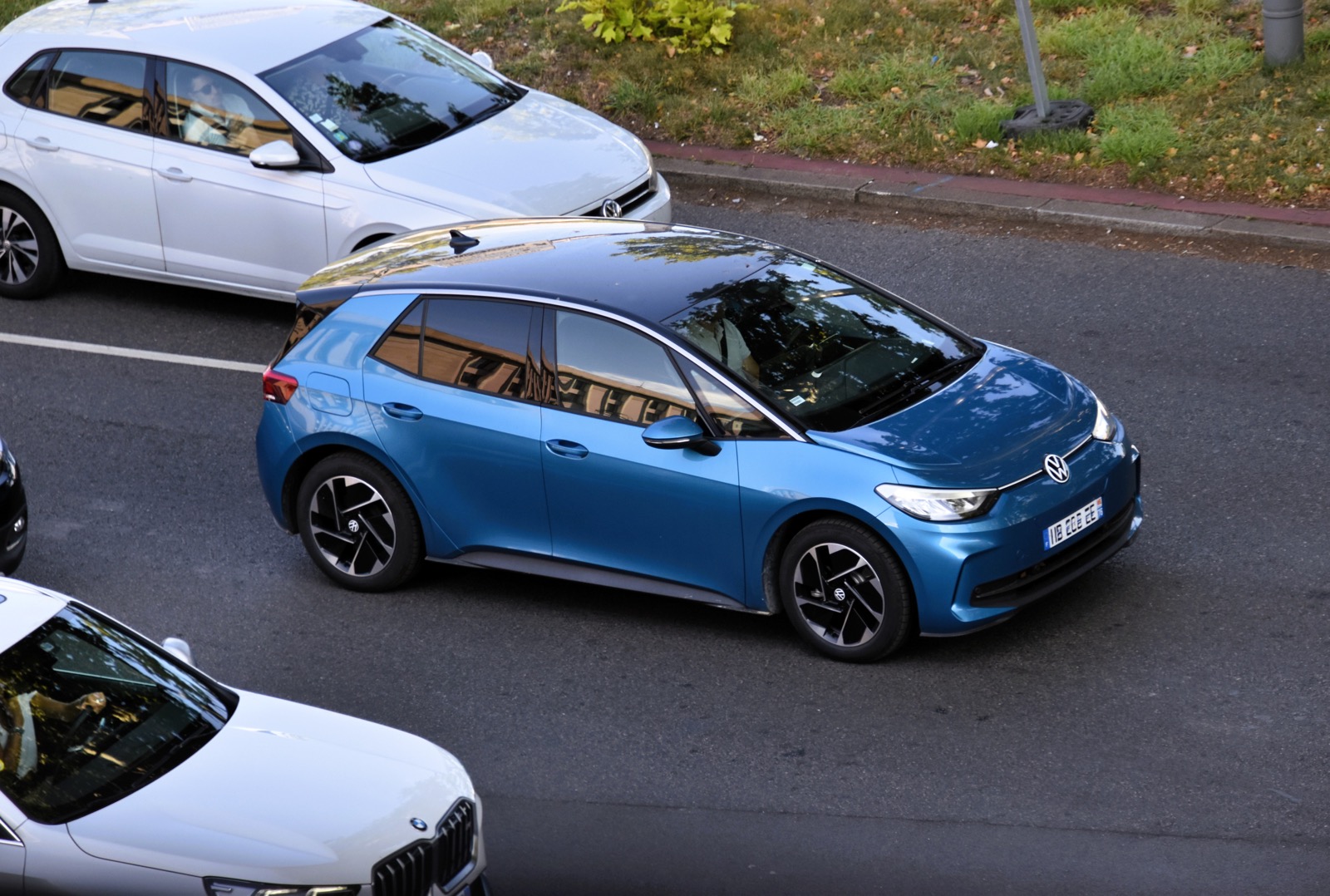
The comparison starts in your parking space
For an urban car, we suggest measuring the parking space and trying the actual manoeuvres before comparing batteries. Exterior size, visibility and access to the boot are practical considerations that a sales ranking cannot resolve. Try the car with your usual passengers and luggage.
Dolphin, Dolphin Mini and Dolphin Surf should not be confused because they share a family of names. Our chart refers to the European BYD Dolphin Comfort with 60.4 kWh; it does not apply that consumption to the Chinese Seagull version or the Dolphin Mini from another market.
[S22]A larger battery or lower costs
In the WLTP sample, the Dolphin Comfort records 15.9 kWh/100 km and the MG4 Comfort MY2024 records 16.0. Their closeness encourages a look at purchase price and use, not just tenths of a unit of consumption. These are specification sheets for different versions; check the equipment in each offer.
Our own calculation: at 12,000 km a year, a difference of 0.1 kWh/100 km represents 12 kWh annually. At a hypothetical price of 0.30 per kWh, that is 3.60 in the same currency. It is not a prediction of actual urban consumption.
[S22][S24]What to try
Our editorial checklist for an urban test: the journey from home to work, a parking manoeuvre, loading the boot and a charging session at your intended point. Also note how much it costs to insure each car and where you would take it for service.
If your car will also make occasional trips, compare that need separately. Do not pay for a larger battery solely because of a range figure from another cycle. The car that works best for you is the one that covers your typical week and your exceptions within the total budget.
[S22][S24]